Showing posts with label American Kestrels. Show all posts

Monday, February 19, 2024

American Kestrel


I came across this Kestrel last week while driving along the Causeway to Antelope Island and wondered if it was the old banded Kestrel I had often seen but when I got closer, the raptor didn't have a band.  I wonder where the old Kestrel is now and if I'll ever see him again?

By the way, male American Kestrels are the most beautiful of all predators!

Generally, life is good.


Wednesday, January 24, 2024

American Kestrel in January


The last time I photographed American Kestrels it was two years ago, and I have not seen another Kestrel since.  It got me thinking, what is going on? Maybe all these wonderful birds are just hiding from me?

This morning, to my surprise, I finally saw this beautiful predator on Antelope Island.  He gave me just a few seconds to get a few shots.  For this I am very grateful to this Kestrel.

Generally, life is good.


Monday, November 7, 2022

American Kestrel


The American Kestrel in the photo above was calm and not about to take off, preferring to watch me with his attentive, razor-sharp eyes, as if he did it so often.  

Life goes on.


Monday, December 6, 2021

Bear River Migratory Bird Refuge in December - II.


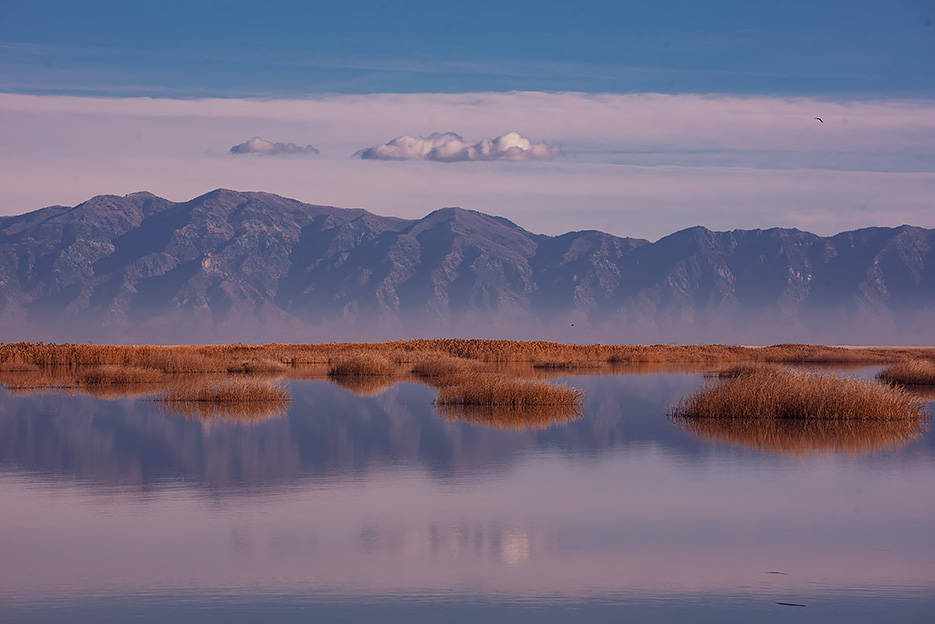
Bear River Migratory Bird Refuge set against a dramatic backdrop formed by the Wasatch Mountains.


It's hunting season at the refuge now, but I rarely meet hunters and have no idea where they hunt ducks. 

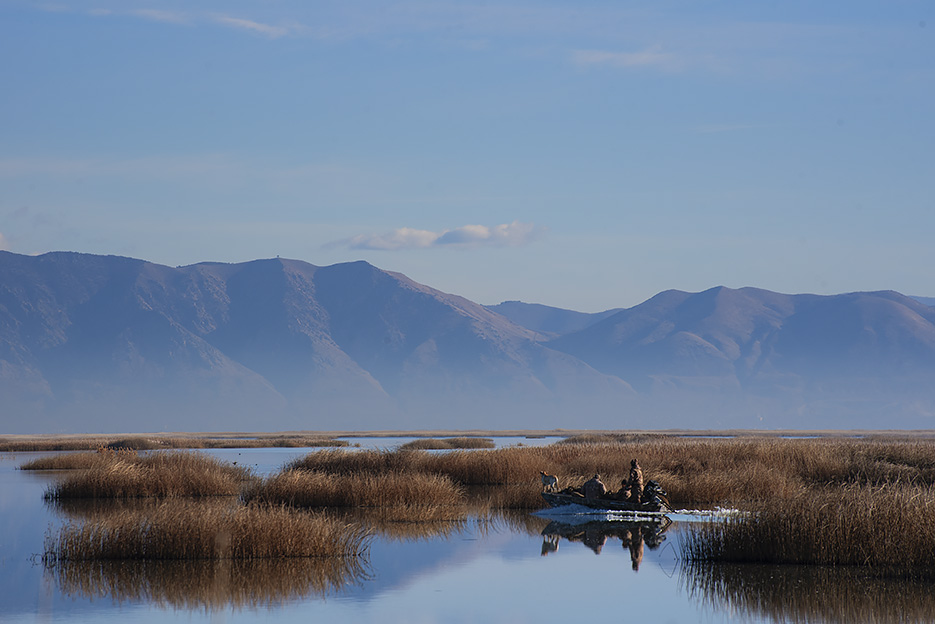
Last Sunday I finally saw a group of  hunters with a dog in the small motorboat  heading to the mouth of the river and then disappearing into the thickets. 


In November the Rough-legged Hawks migrate to the refuge.


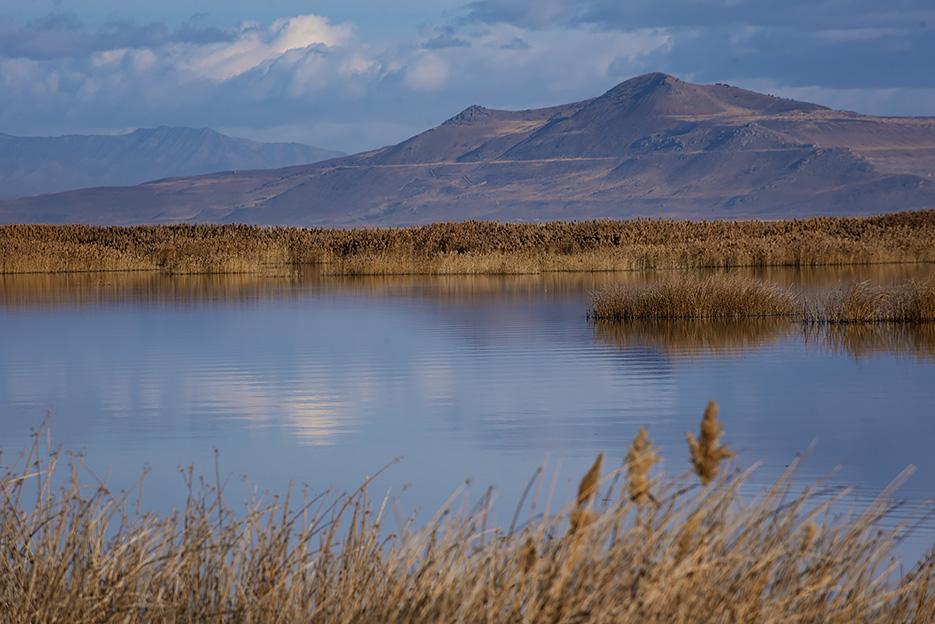
The Bear River is especially attractive when the day is clear and the sky is blue.


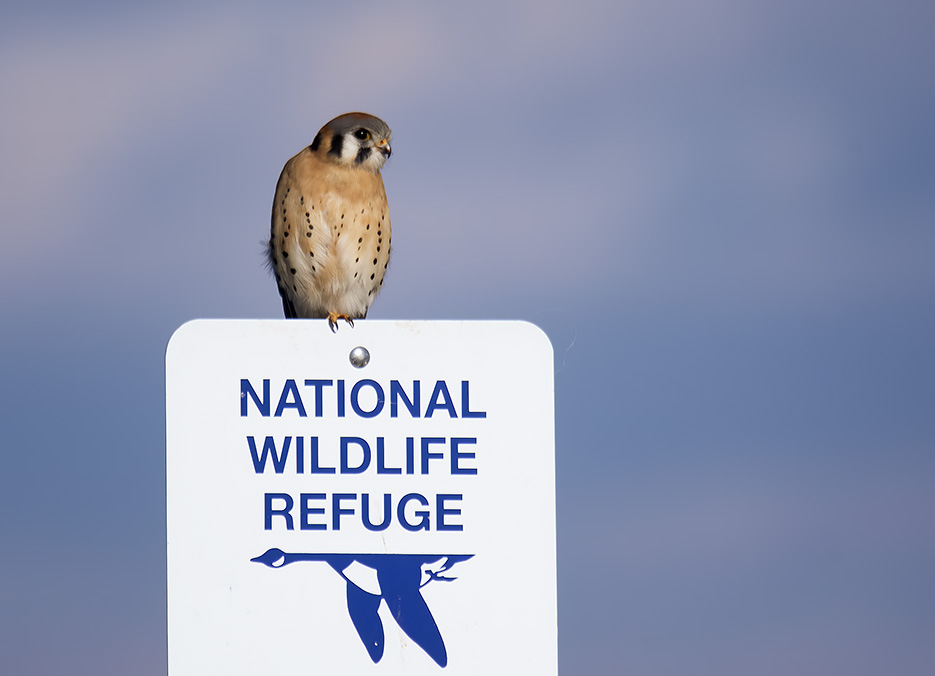
An American Kestrel decided to perch on the signboard as if he was going to advertise the refuge.  

That, of course, was very nice of him but we already are well known as a hotspot for diversity and/abundance of birds, especially in early spring and summer.

Generally, life is good!


Thursday, April 1, 2021

How an American Kestrel Fools Predators


For the past few months I tried to photograph an American Kestrel's back head and wasn't successful and finally a few weeks ago I succeed.  You probably wonder what is so special about the Kestrel's back head?  As you can see there are two false eye spots that create the illusion of a false face.  The predators often are fooled by the false face and think they are being watched, or are uncertain which way the Kestrel is facing, which causes them to either delay or give up an attack.  


The Kestrel doesn't look friendly.  

What is interesting that the Kestrel wasn't annoyed by my presence but on this photo he looks annoyed and acts as if he wants to stop me from photographing him.


Generally, life is good!


Thursday, January 28, 2021

Speed


Sometimes American Kestrels are perching on the road signs and look as if they are advertising what is written on them.

Once I saw how an American Kestrel was perching on the road sign with words "Attention Hunters..." as if he was telling the hunters to read carefully the rules on the road sing.


The Kestrel is trying to find a comfortable position and settling to stay on this road sign for a while.


And now what happens?...  Apparently, for a while nothing.


I met this Kestrel while driving on the Causeway to Antelope Island. Usually I see Kestrels perching on the trees and they are far away but this brave guy decided to stay close to the road as if he was warning the drivers not to speed.  


Saturday, January 16, 2021

Male American Kestrel at Farmington Bay


On the back of this handsome guy's head there are two false eye spots and it creates an illusion of a face.  That is how Kestrels try to fool the predators that think they are being watched or will be uncertain which way the Kestrel is facing.


Unfortunately, small hawks and falcons can be a prey for larger species.


The Kestrel stayed for a long time on one of branches of Russian Olive tree and gave me plenty of time to watch him and photograph.


When the Kestrel took off I thought that my encounter with him was over but I was wrong. The Kestrel returned back shortly to the same tree but chose this time a different branch. 


American Kestrel is one of the smallest falcons in the world.


Generally, life is good!


Saturday, January 11, 2020

American Kestrel at Bear River

My first photograph of American Kestrel I took three years ago and since that I never seen this bird again.  

Two days ago was my chance to take more photos of this beautiful bird but at the begging I almost missed this opportunity because all my equipment was already packed.


When I repacked my equipment and was ready to take photos of kestrel of course, the bird was gone. But in a few minutes I saw the same male kestrel again and started my "hunt."

I was passing the poles along the road where kestrel was perching for a short while but immediately flying away with my approach.  When I reached the fourth pole without any hope to take one decent photograph, for some unknown reason a kestrel decided to be cooperative. 

***

The American  Kestrel is the most colorful and the smallest falcon in North America. They live between 10 to 15 years.


Tuesday, February 27, 2018

Honeymoon Suite


American Kestrels are the smallest falcons in America.

They eat lizards, grasshoppers and mice. 


Sharing this post with Wild Bird Wednesday.